You have finished the manuscript. It has been edited, proofread and given a cover you are not embarrassed by. Now comes the practical question that trips up more first-time authors than writer's block ever does: how do you get physical copies into the world without filling a garage with boxes?
Print-on-demand, usually shortened to POD, is one answer. Instead of printing a thousand copies and hoping, your book is printed one copy at a time, only after somebody orders it. It is not magic, and it is not right for every book. But for a large number of UK authors, it is the sensible place to start.
How print-on-demand actually works
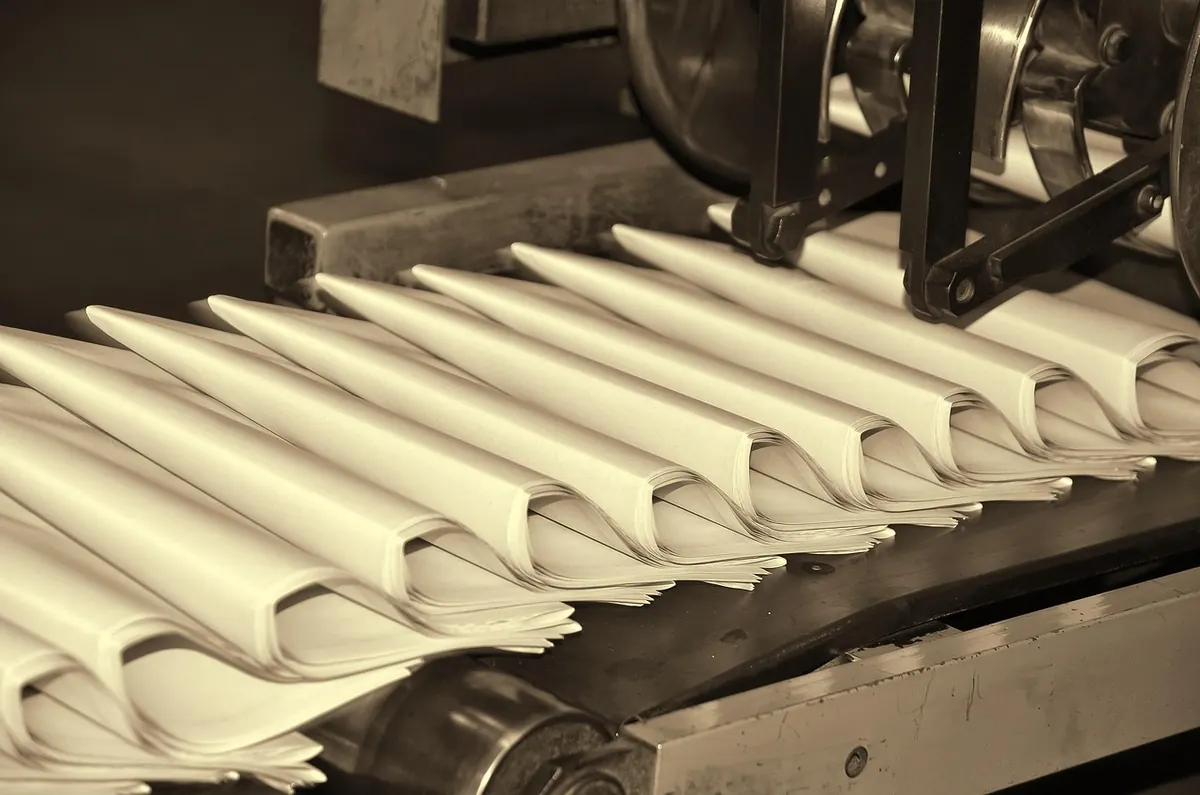
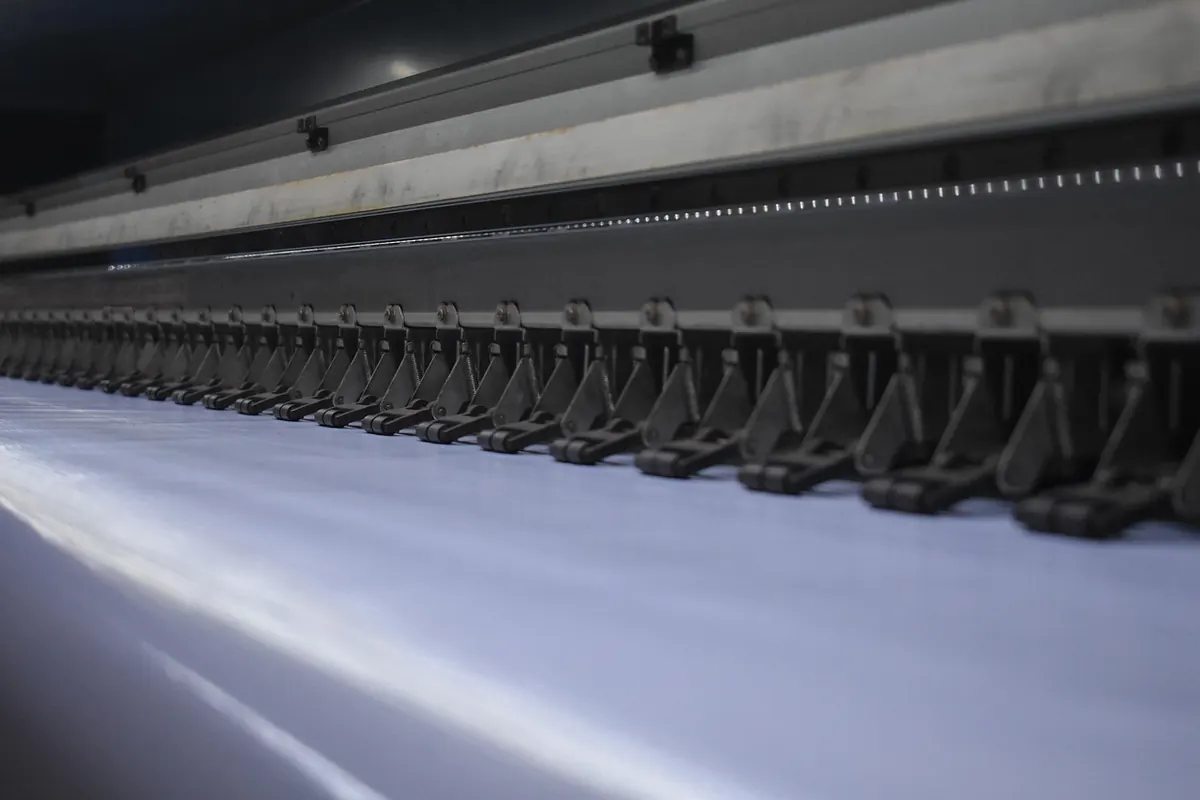
You upload two files to a platform: an interior PDF and a cover PDF, both prepared to the exact trim size you have chosen. The platform stores them. When a reader buys your book, the order goes to a printing facility — often the one nearest the customer — and a digital press produces that single copy, binds it and ships it.
Digital presses print from a file rather than from plates, which is why one copy is possible at all. Nothing is warehoused. Nothing is pulped. If the book never sells, you have lost nothing but your time.
Platforms differ in the details. Some are tied to a single retailer; others push your title out to a wider wholesale network. That difference matters far more than most new authors realise, so read the distribution terms carefully before you commit.
What it costs, and what it does not
Setting up a title on the main POD platforms is usually free. You pay per copy: the printing cost is deducted from your royalty each time a book sells. That figure depends on page count, trim size, black-and-white or colour, paperback or hardback, and where it is printed.
The unit cost is almost always higher than offset printing, where you pay a large sum upfront and very little per copy afterwards. POD trades a low fixed cost for a higher variable one. For a first book selling in modest numbers, that is a good trade. For a title selling in the thousands, it usually is not.
What POD does not change: editing, proofreading, cover design, typesetting and an ISBN all still cost what they cost. A cheap printing route cannot rescue a book that was never properly prepared.
Two costs catch people out. First, proofs: you pay the print cost plus shipping, and you should always order at least one. Second, author copies. Buying your own stock at a discount is possible, but the discount is nothing like trade terms, and shipping adds up quickly when you are buying fifty at a time.
Quality: what you actually get
POD quality has improved enormously. A well-prepared paperback from a reputable platform looks and feels like a normal bookshop paperback. Paper is generally a decent cream or white stock, covers are laminated matt or gloss, and the text is sharp.
Where POD still shows its limits:
- Very thick books, where the spine can feel stiff and the pages are reluctant to lie flat.
- Heavy ink coverage — large solid black areas and dark photographs can look flat or slightly patchy.
- Full-colour interiors, which are expensive per copy and hard to price competitively.
- Unusual formats, such as landscape photography books or lay-flat binding.
There is one reliable test. Order a proof and hold it in your hands. Check that the spine text is centred, that no text disappears into the gutter, that the barcode sits inside its clear area, and that the cover colour matches what you saw on screen.
Getting the book into shops and libraries
An ISBN identifies your book. In the UK they are issued by Nielsen, and you need a separate one for each format: paperback, hardback, ebook. Some platforms offer a free ISBN, but it usually ties the book to that platform's imprint and can restrict where you sell it. Buying your own gives you freedom.
Bookshops buy through wholesalers and expect a trade discount and, frankly, a returns arrangement. Setting your wholesale discount too low keeps more per sale but makes you invisible to shops. You also need your metadata — title, subtitle, description, category, price — listed with Nielsen so retailers and libraries can find the book at all.
Be realistic about what POD does on its own. It will not put your novel on the shelf in Waterstones. It will make the book available to order, which is a different and more modest thing.
In the UK, printed books are subject to legal deposit: one copy goes to the British Library, and the other five deposit libraries may request a copy. Libraries can also pay you through the Public Lending Right scheme when your book is borrowed. Both are worth ten minutes of admin, and both sets of rules do change, so check the current requirements yourself.
When print-on-demand is the right choice
- You are publishing a first book and want to test demand without risking thousands of pounds.
- You write in a niche: local history, poetry, a specialist how-to, a family memoir.
- You sell mainly in person, at talks, workshops, festivals and events.
- You want a finished paperback in your hand within weeks, not months.
- You have a backlist and want older titles to stay available without holding stock.
When it is not
Choose offset printing if you need a genuinely low unit cost on volume, if bookshops are your main route to readers and you can supply them properly, or if the book is a full-colour art object where production values are the product.
A mixed approach often works best: POD first, then a short offset run once you have evidence that people are buying.
A practical order of work
- Decide format, trim size and paper before you typeset a single page.
- Get an ISBN in your own name or imprint.
- Set the interior and cover to the platform's exact template, including bleed and gutter.
- Upload the files, then order a proof and read it on paper, not on screen.
- Price the book so the royalty is worth having after print costs and any trade discount.
- List your metadata with Nielsen, and set your distribution and wholesale terms.
- Send legal deposit copies and register for PLR if you qualify.
The plain-English verdict
Print-on-demand is a tool, not a publishing strategy. It removes the risk of holding stock and the fear of an upfront print bill, which leaves you free to concentrate on the things that actually sell books: a strong cover, a clear description, and readers who know the book exists. Start there. If the sales come, the printing decisions get easier. If they do not, you have lost very little.
Photo: Udik_Art / Pixabay